The All-Day Kitchen: How a Sunday Slow Cook Can Carry Your Whole Week
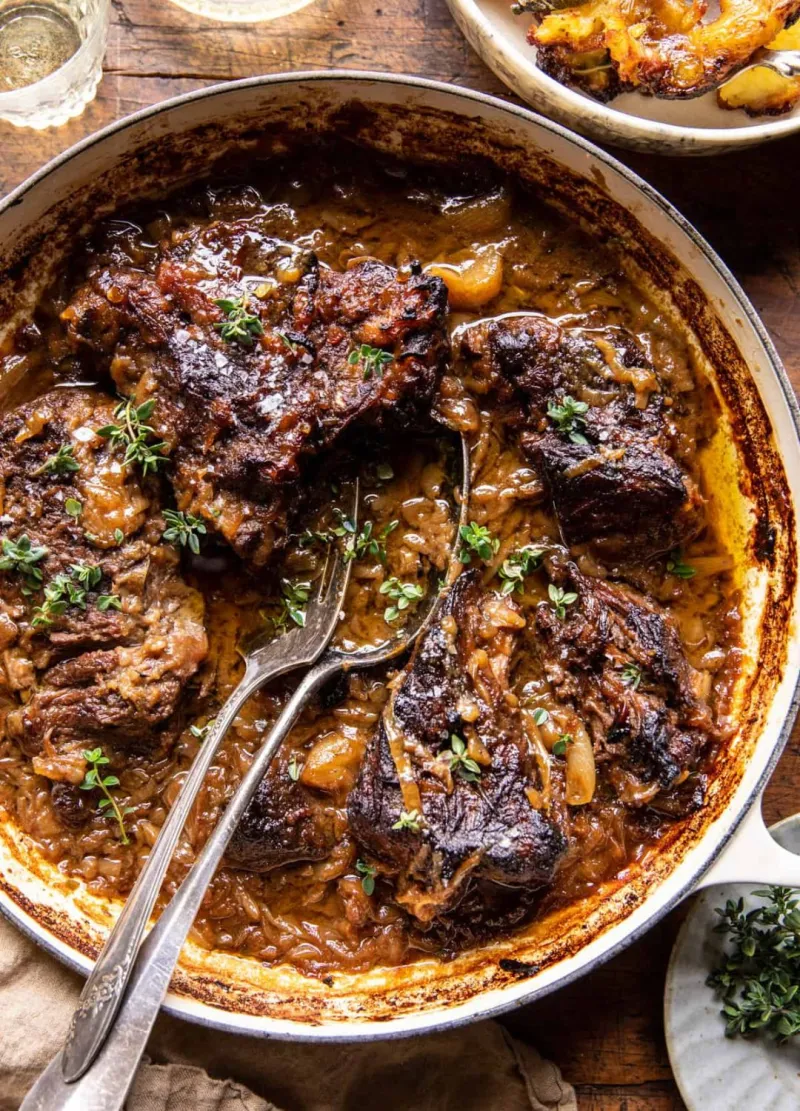
Photo: Southern kitchen Sunday cooking Dutch oven pot of greens on stove cozy home, via media.theeverygirl.com
There's a particular kind of Sunday that Southerners know well. You wake up without an alarm. The coffee gets made early. And somewhere around nine or ten in the morning, something goes on the stove — or into the oven, or onto the smoker out back — that won't be ready until mid-afternoon. Maybe later. And that's entirely the point.
This is Sunday slow. It's not a cooking technique so much as a way of organizing your whole relationship with time, food, and the week ahead. It's the recognition that some of the best things you'll eat — and some of the most useful meals you'll have on a Wednesday night when you're tired and hungry — start with patience on a Sunday morning.
Why Slow Cooking Is a Southern Life Skill
Slow cooking in the South goes back further than any recipe. It's rooted in necessity as much as preference. Tougher, less expensive cuts of meat — pork shoulders, beef short ribs, chicken thighs, ham hocks — respond beautifully to low heat over a long period of time. What would be chewy and unpleasant after thirty minutes becomes fall-apart tender after four or five hours. Beans that would take forever on a weeknight cook themselves unattended over the course of an afternoon.
But beyond the practical, there's something else going on. Slow cooking requires you to be home. It asks you to check in periodically, to stir something, to add a little liquid, to taste and adjust. It structures your Sunday without controlling it. You can read, visit with family, sit on the porch, watch a game — and every hour or so, you wander back into the kitchen, lift a lid, breathe in, and feel like everything is exactly as it should be.
That rhythm is part of what makes it work as a weekly anchor. The slow cook doesn't just produce food. It produces a particular kind of Sunday.
Planning the Day Before You Start
The best all-day cooks are the ones who spend about fifteen minutes on Saturday thinking through what they want to accomplish. Not planning in a rigid sense — more like sketching out the day so nothing gets forgotten and you're not scrambling at 4 PM because you forgot to thaw something.
Think about what you want to eat during the week. A braise that can become three different meals. A pot of beans that can go under greens one night and into a soup another. A big batch of rice or cornbread dressing that reheats easily. The goal isn't to cook everything you'll eat all week — it's to get the heavy lifting done so weeknights feel manageable.
A solid Sunday slow lineup might look something like this:
- A pork shoulder or bone-in chicken pieces in the Dutch oven by 10 AM
- A pot of dried beans — pintos, navy, or black-eyed peas — on a back burner by 11
- Collard greens or turnip greens started around noon with a smoked turkey leg or ham hock
- Cornbread baked mid-afternoon to eat fresh and have leftovers for the week
None of these things require constant attention. They require presence, not hovering.
The Low-and-Slow Braise: Your Weekly Workhorse
If there's one technique worth mastering for Sunday slow cooking, it's the braise. Brown your meat in a little oil or fat until it's got some color on the outside, add aromatics — onion, garlic, celery, maybe a bay leaf or two — pour in enough liquid to come about halfway up the meat, put the lid on, and let the oven do the rest at somewhere around 300 to 325 degrees.
A pork shoulder braised with onions, a splash of apple cider vinegar, some crushed red pepper, and a little chicken stock becomes pulled pork for Sunday dinner, tacos on Tuesday, and the base of a quick hash on Thursday morning. A few pounds of chicken thighs braised in tomatoes and herbs can go over rice one night and into a pot pie the next. The braise is a multiplier — it gives you one cook that pays out across several meals.
Greens That Cook While You Live Your Life
There's no better example of the Sunday slow philosophy than a big pot of Southern greens. Collards, mustard greens, turnip greens — they all benefit from long, slow cooking in a seasoned pot likker, that savory, smoky broth that develops as the greens cook down.
Start them early in the afternoon. Add your smoked meat, cover with water or stock, season with salt and a pinch of red pepper, and let them go for two to three hours on low heat. By the time dinner rolls around, they'll be silky and deeply flavored, and the pot likker left behind is so good you'll want to sop it up with cornbread — which is exactly what you should do.
Leftover greens reheat beautifully and actually get better overnight. Make a big pot and you've got a side dish for three or four days without any additional work.
Beans: The Quiet Foundation
Dried beans might be the most underrated part of the Southern slow cook tradition. A pound of dried pintos costs almost nothing, requires nothing more than a soak overnight and a long simmer the next day, and produces enough food to anchor multiple meals. Season them simply — onion, garlic, a smoked ham hock, salt toward the end of cooking — and you've got something that works as a side dish, a main course over rice, or the base of a quick soup with whatever vegetables you have on hand.
If you didn't soak them overnight, don't worry. A quick soak — bring them to a boil, cut the heat, let them sit for an hour, then drain and proceed — works fine. Just give yourself a little extra simmering time.
Making Sunday Slow a Habit
The first time you do a full Sunday slow cook, it might feel like a lot. You've got multiple pots going, the kitchen smells incredible, and you're not entirely sure everything will be ready at the right time. That's fine. It gets easier quickly, and after a few Sundays you'll find yourself moving through it almost automatically.
The real payoff comes on Wednesday. You open the fridge, and there's braised meat, a container of beans, some leftover greens, and half a pan of cornbread. Dinner takes fifteen minutes. You didn't have to think about it. You just had to have had a good Sunday.
That's the whole idea. Cook slow on the day you have time, and let the rest of the week take care of itself. Shoes optional.