No Measuring Cup, No Problem: The Southern Kitchen Staples That Do All the Heavy Lifting
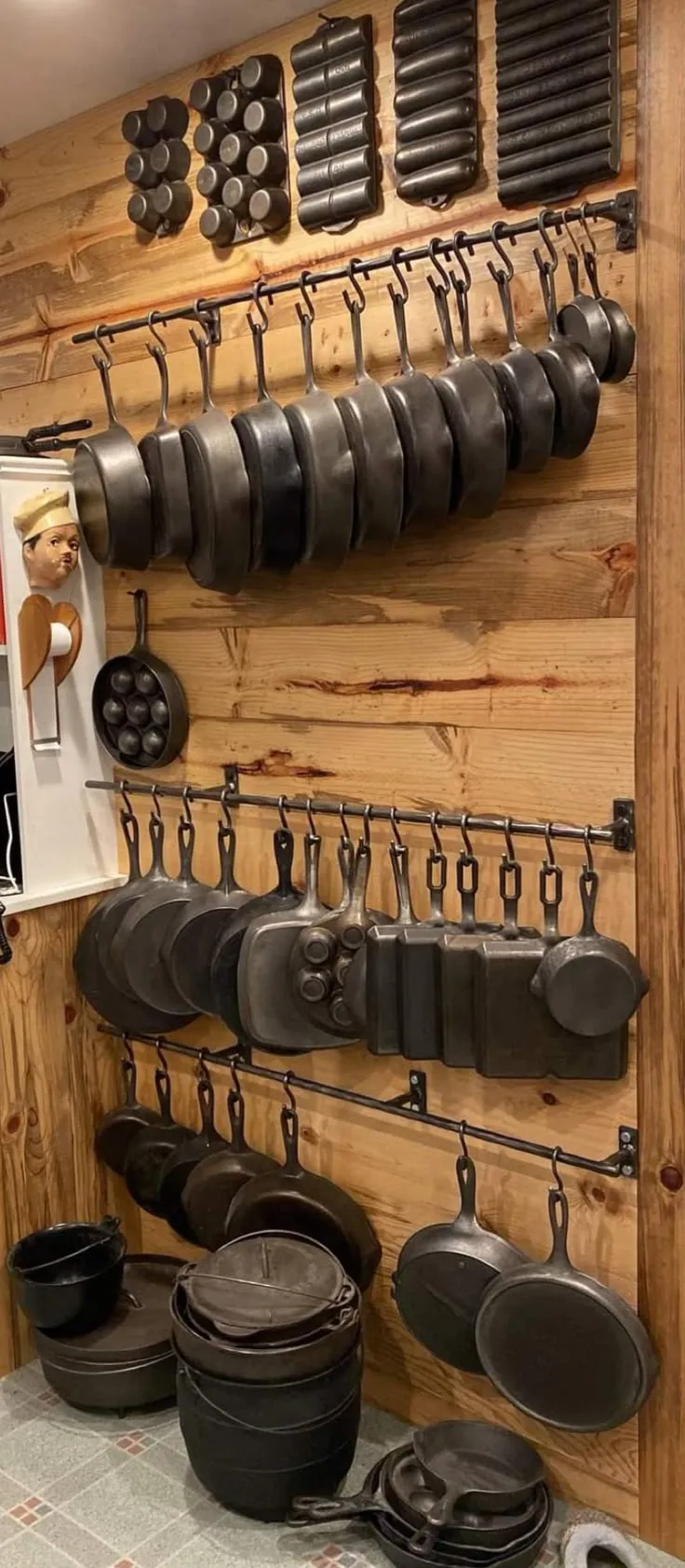
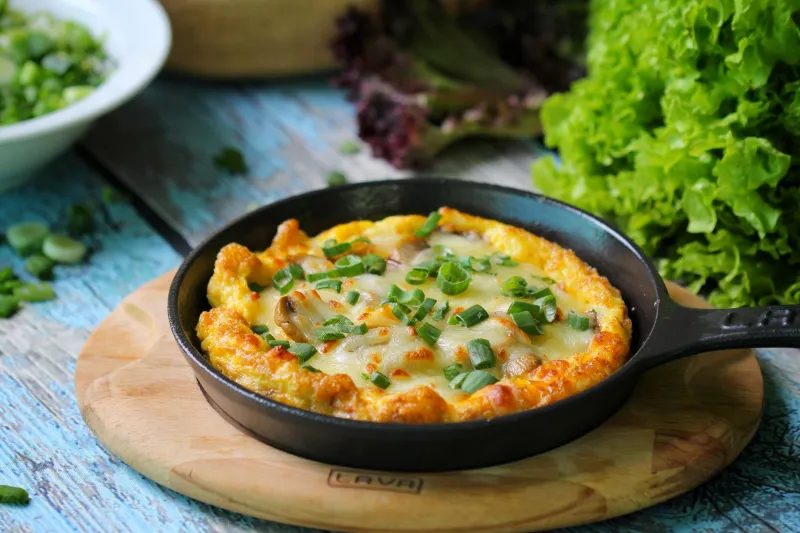
Photo: rustic Southern kitchen pantry with cast iron skillet cornmeal and mason jars, via i.pinimg.com
Ask a Southern grandmother how much buttermilk goes in her biscuits, and she'll look at you like you've lost your mind. "Enough," she'll say. Maybe she'll add, "until it feels right." And somehow, every single time, it is right.
That's not an accident. That's decades of muscle memory, sensory know-how, and a pantry stocked so deliberately that the cooking practically guides itself. Down here, the kitchen isn't a laboratory — it's a living room with a stove. And the best meals don't come from following a formula. They come from knowing your ingredients well enough to trust them.
So what exactly does that look like? Let's get into it.
The Anchor Ingredients Every Southern Pantry Keeps on Hand
If you peek inside a well-worn Southern kitchen, you're going to find a handful of things that show up in nearly every dish, regardless of what's being cooked that day. These aren't trendy. They're not seasonal. They're just always there.
Self-rising flour is probably the most quietly powerful ingredient in the bunch. It's got the leavening already built in, which means one less thing to measure, one less thing to forget. Biscuits, dumplings, simple coatings for frying — self-rising flour handles all of it without complaint.
Cornmeal — and specifically a good stone-ground yellow or white cornmeal — is the other workhorse. Cornbread, of course. But also hushpuppies, a quick coating for fried catfish, or stirred into a pot of something that needs a little body. Regional preferences run deep here: white cornmeal tends to be more common in the Upper South, yellow in the Deep South, and don't you dare bring up sugar in the batter unless you want a debate.
Fatback, bacon grease, or lard — pick your fat and keep it close. A seasoned cast iron skillet with a little reserved grease is worth more than a fancy gadget. That fat carries flavor from one meal into the next, and it's the reason a pot of beans cooked in a humble kitchen tastes like it has layers.
Apple cider vinegar shows up everywhere once you start paying attention. A splash in the collard greens. A drizzle over a pot of beans. A little in a marinade. It brightens heavy dishes without announcing itself, and Southern cooks reach for it almost instinctively.
Hot sauce — the everyday kind, not the boutique stuff — lives on the table and in the pot. Crystal, Texas Pete, Tabasco. A few dashes go into everything from deviled eggs to braised greens to cornbread batter.
The Tools That Never Get Put Away
Martha Jean Holloway, who's been cooking out of the same Tupelo, Mississippi kitchen for going on forty years, keeps three things on her stovetop at all times: a cast iron skillet, a heavy-bottomed Dutch oven, and a wooden spoon she got from her mother-in-law. "I've got a whole cabinet of other stuff," she says, laughing. "But I reach for those same three every single day."
That's a common story. Southern kitchen tools aren't about variety — they're about reliability. A well-seasoned cast iron skillet distributes heat in a way that turns ordinary cornbread into something with a crackling crust and a tender middle. A Dutch oven holds a low, slow braise without drying it out. A wooden spoon doesn't scratch, doesn't conduct heat, and has just enough give to scrape the bottom of the pan without tearing anything up.
Add a sharp paring knife, a box grater, and a colander, and you've got everything you actually need.
Cooking by Feel: What That Actually Means
When Southern cooks talk about cooking by feel, they don't mean guessing. They mean reading the room — or more precisely, reading the pot.
Is the oil shimmering but not smoking? It's ready for the chicken. Does the biscuit dough pull away from the bowl cleanly? Stop adding flour. Does the gravy coat the back of a spoon and hold a line when you drag your finger through it? It's done.
These aren't mystical skills. They're learned. And they're learned by standing next to somebody who already knows them and paying attention.
Dorothy Simms, a home cook from Natchitoches, Louisiana, describes it this way: "My mama never told me to use a cup of this or two tablespoons of that. She'd say, 'watch the color,' or 'listen for the sizzle to change.' You learn to use your eyes and ears as much as your hands."
That sensory approach means Southern cooking is inherently adaptive. If the okra is smaller than usual, you adjust. If the tomatoes are more acidic this summer, you compensate. The dish shifts to meet what's available, not the other way around.
A Few Techniques Worth Knowing Cold
Even without a recipe in hand, there are a handful of techniques that anchor most Southern cooking. Get comfortable with these, and you can riff on almost anything.
Seasoning a pot of beans: Start with your fat and aromatics — onion, garlic, maybe a smoked ham hock. Add your soaked beans, cover with water by a couple of inches, and let them go low and slow. Season with salt after they've softened (salting early toughens the skins). Taste as you go. Finish with a splash of vinegar.
Making a roux without a recipe: Equal parts fat and flour, stirred constantly over medium heat. The longer you cook it, the darker and nuttier it gets. A blonde roux takes about five minutes. A Cajun-style dark roux can take thirty. The color tells you where you are.
Frying without a thermometer: Drop a small pinch of flour into the oil. If it sizzles immediately and floats, you're in business. If it sinks, wait. If it burns in two seconds, turn the heat down.
The Pantry Is the Recipe
Here's the thing about Southern cooking that often gets missed in the translation to food media: the pantry is the recipe. When you keep the right things on hand — the lard, the cornmeal, the vinegar, the hot sauce, the dried beans — you don't need a step-by-step guide. The ingredients point the way.
That's the tradition. Not rigid formulas handed down in binders, but a way of stocking and thinking and tasting that makes the cooking feel natural, even inevitable. You open the cabinet, you see what's there, and something starts coming together.
No shoes. No measuring cups. Just a good pantry and a little faith in what you already know.