Making Do and Making It Good: The Return of the Southern Stretch Kitchen
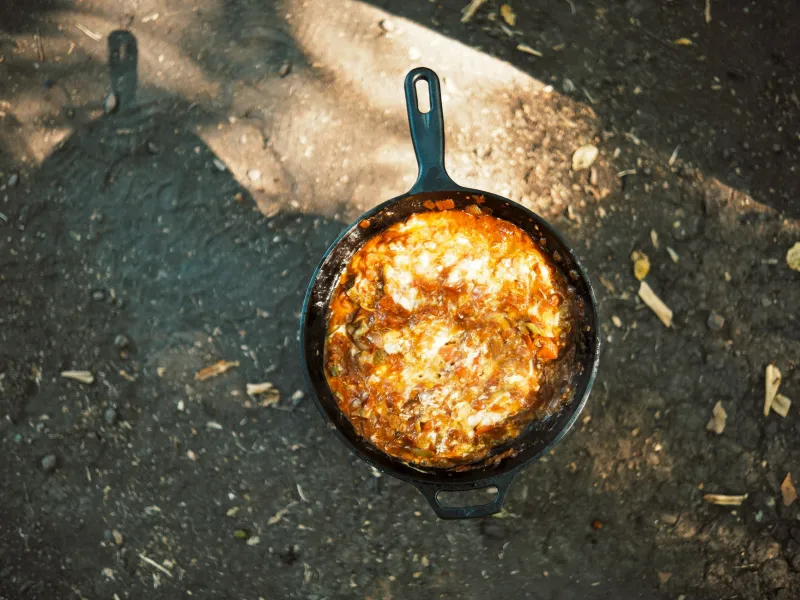
There's a pot of beans on the stove in kitchens all across the South right now, and the people cooking them didn't grow up eating beans out of necessity. They chose them. They went to the store, passed the chicken, passed the beef, and came home with a two-dollar bag of dried pintos because they've figured out something their great-grandparents already knew: you don't need much to eat well.
Call it frugal cooking, budget cooking, or just plain smart cooking—whatever name you give it, Depression-era Southern recipes are having a genuine moment. And unlike most food trends, this one has roots deep enough to hold.
Where It Comes From
The Great Depression hit the South hard, and in ways that were different from the rest of the country. A region already defined by economic struggle found itself in even leaner times, and the cooking adapted accordingly. Lard instead of butter. Cornmeal instead of flour. Pot likker—the broth left behind from cooking greens—became a meal in itself, sopped up with cornbread and eaten without apology.
This wasn't charity food. It was ingenuity food. Southern cooks of that era figured out how to coax flavor from fat and bones and scraps, how to make a ham hock do the work of a whole ham, how to turn yesterday's biscuits into tomorrow's breakfast. They didn't have a choice, but they had skill, and the food they made was genuinely good.
That's what younger cooks are rediscovering now.
The Dishes That Are Coming Back
Ask around in Southern food communities—online or in person—and you'll hear the same names coming up again and again.
Sawmill gravy made with sausage drippings and milk, poured over biscuits that cost almost nothing to make from scratch. Soup beans, those long-simmered pintos or October beans that fill a house with a smell you can't get from a can. Fried fatback, which sounds extreme until you taste it. Corn pone, the no-frills cousin of cornbread that requires no eggs, no buttermilk, just cornmeal and water and a hot skillet.
Potato soup with nothing but potatoes, onion, and cream. Wilted lettuce salad with hot bacon grease poured over fresh greens—a dish that gets dismissed until you make it once. Rice and gravy, a staple of the Deep South that stretches a small amount of meat into a full plate. Crackling bread, made with the crispy bits left over from rendering lard.
None of these dishes require a grocery bill that'll make you wince. All of them require time and attention, which turns out to be exactly what a generation burned out on convenience food is willing to give.
Why Now
The timing makes sense when you look at it straight. Food prices have climbed. Grocery runs that used to cost sixty dollars now cost a hundred. Young people who watched their parents spend big on elaborate meals are asking whether any of it was necessary. And at the same time, there's a broader cultural shift toward sustainability—toward wasting less, using more of what you buy, cooking from scratch because it's better for you and easier on the wallet.
Depression-era Southern cooking checks every one of those boxes. It is, almost by definition, a zero-waste cuisine. Nothing gets thrown out. Bones become broth. Stale bread becomes something else. Vegetable scraps go into a pot. The whole philosophy is built around the idea that there is value in everything, and that a skilled cook can find it.
There's also something honest about it. These dishes don't pretend to be anything other than what they are. A bowl of soup beans is a bowl of soup beans. It doesn't need a garnish or a fancy bowl or a backstory on a menu. It just needs to be cooked right.
Learning From the People Who Actually Did It
One of the interesting side effects of this cooking revival is the way it's driving younger Southerners back to their oldest relatives. You can find Depression-era recipes online, sure, but the best versions live in somebody's memory, not a website.
The way to make real pot likker. How long to cook the beans before they're done but not mushy. The exact ratio of cornmeal to water for corn pone that holds together in your hand. These things get learned by watching and asking, and a lot of people are suddenly very interested in asking.
That's not a small thing. It's one of the better outcomes of this whole movement—that the cooking is pulling generations back toward each other, sitting in kitchens together, writing things down that were never written down before.
How to Start
If you want to try cooking this way, start with dried beans. Buy a bag, soak them overnight, and cook them low and slow with whatever you've got—an onion, some garlic, a piece of smoked meat if you have it. Salt them at the end. Make cornbread to go alongside. That's a meal that costs next to nothing and tastes like something you'd drive a long way for.
From there, learn to make gravy from pan drippings. Learn to use the whole chicken, not just the breasts. Start saving your vegetable scraps in a bag in the freezer until you have enough for stock. Get comfortable with the idea that a pot of something simmering all afternoon is not a burden—it's a pleasure.
Depression-era cooking asks you to slow down. To pay attention. To treat cheap ingredients with the same respect you'd give an expensive cut of meat, because they deserve it.
Turns out, they always did.