When the Cooler Shows Up Unannounced: How Southern Cooks Handle Whatever Lands on the Porch
There's a particular kind of cooking that doesn't get talked about much in food media, mostly because it's hard to photograph in advance and impossible to plan for. It's the cooking that happens after someone shows up at your door with something unexpected—a bucket of fresh-caught crappie, a garbage bag of collard greens from a neighbor's garden, a box of figs that need to be dealt with today or they'll be gone tomorrow.
In the South, this is just Tuesday. And the cooks who handle it best aren't the ones with the most recipes memorized. They're the ones who've learned to think sideways.
The Arrival Problem
Here's the thing about surprise ingredients: they don't give you time to run to the store, look something up, or think too hard. A neighbor who shows up with thirty pounds of garden squash is being generous—genuinely, warmly generous—and the right response is to receive that gift with confidence and actually use it, not to stare at it blankly until it goes soft on the counter.
Southern cooks have historically operated in an environment where this kind of thing happens all the time. Hunting season brings deer, duck, and wild hog. Fishing trips produce more than any one family can eat fresh. Gardens don't come in at a polite, manageable pace—they explode all at once and then stop. The skill of adapting to whatever arrives isn't a bonus talent. It's foundational.
The good news is that it's a learnable skill, and it starts with a shift in how you think about cooking.
Stop Thinking in Recipes, Start Thinking in Techniques
The cook who's tied to specific recipes will always struggle with surprise ingredients, because recipes are written for specific things. The cook who understands a handful of core techniques can apply them to almost anything.
Consider what a cast iron skillet and some fat can do to almost any protein. A fresh-caught fish, a piece of venison backstrap, a mess of dove breasts—the technique is the same. Season it well, get the pan hot, don't crowd it, and let it develop a crust before you flip it. The ingredient changes; the approach doesn't.
The same principle applies to vegetables. If something is tender and fresh, it probably wants high heat and short time—a quick sauté with garlic and a splash of something acidic. If it's tough and fibrous, it wants low heat and long time—braised down with onion, a little pork fat if you have it, and whatever liquid is nearby. These two techniques alone can handle almost every vegetable that walks through a Southern door in summer.
The Flavor Framework That Covers Most Situations
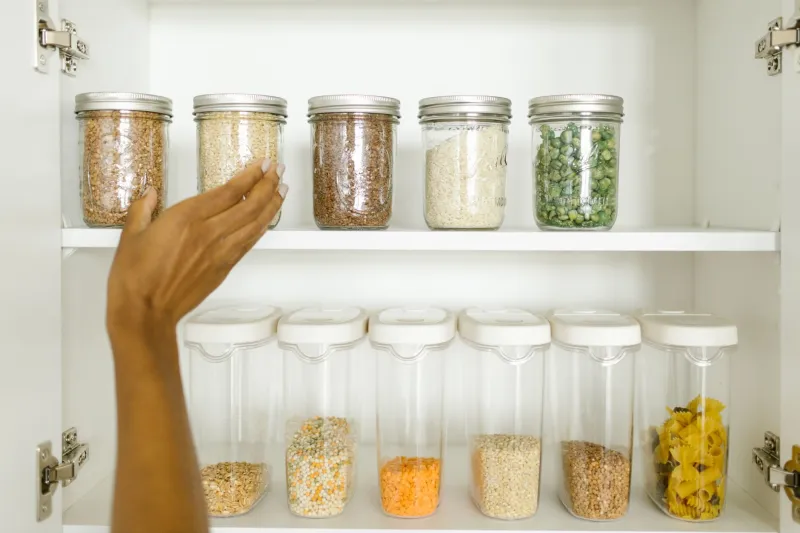
Keep your kitchen stocked with what Southern cooks call the flavor backbone—the ingredients that make other things taste like food. Onion, garlic, fat (bacon grease, butter, or oil), acid (vinegar or citrus), salt, and black pepper. If you have those six things, you can make almost anything edible. Add in hot sauce, dried herbs, and a can or two of tomatoes, and you can make it genuinely good.
When the surprise ingredient arrives, your first question isn't "what recipe uses this?" Your first question is: what's the best cooking method for this ingredient, and which of my flavor backbone items does it want?
Fresh catfish wants a hot pan or a pot of seasoned oil, cornmeal dredge, and something acidic on the side. A surprise haul of summer squash wants butter, onion, and enough time to get soft and slightly caramelized. Unexpected venison wants salt, pepper, and a hot fire—or a long braise if it's a tough cut. None of that requires a recipe. It requires knowing your techniques and trusting your instincts.
Practical Moves for Common Surprise Scenarios
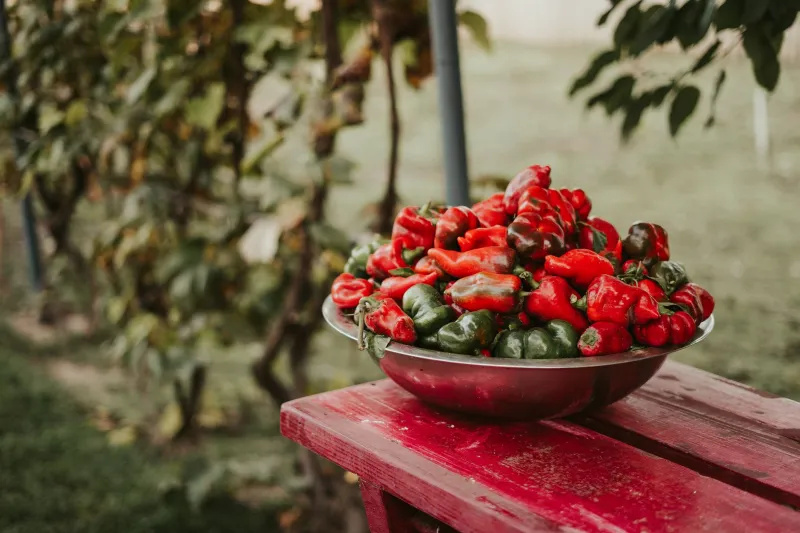
The Garden Dump. Someone drops off more tomatoes, squash, or peppers than you can use fresh in a week. First move: roast or sauté what you can't use immediately, then freeze it. Roasted tomatoes and peppers freeze beautifully and become the base for sauces, soups, and braises all winter. Squash can be sliced, blanched, and frozen. Don't try to eat it all at once—process it fast and buy yourself time.
The Fishing Haul. Fresh fish needs to be dealt with same-day, period. If you've got more than you can eat, fry what you can tonight and share with neighbors. For anything you want to hold a day or two, pack it on ice and keep it cold. Don't overthink the seasoning—fresh fish from clean water needs almost nothing. Salt, pepper, a little cornmeal, and a hot pan is as good as it gets.
The Hunting Season Drop-Off. Game meat is often more forgiving than people think, but it does have rules. Venison and wild hog both benefit from being kept cold and dry before cooking. Backstraps and tenderloins are best cooked fast and hot to medium-rare. Shoulders, necks, and tougher cuts want a slow braise—covered, low heat, with plenty of liquid and aromatics. Wild duck and dove cook quickly and dry out fast, so keep the heat high and the time short.
The Mystery Cooler. Sometimes someone just hands you a cooler and drives away. Open it, assess what you've got, and sort it by what needs to be dealt with first. Fresh fish and shellfish go immediately. Game meat can hold a day on ice. Produce varies. Work through it in order of urgency and don't try to cook everything at once.
The Real Skill Is Staying Calm
The cook who panics when the unexpected arrives is the one who ends up either wasting the gift or producing something mediocre out of stress. The cook who takes a breath, looks at what they've got, and starts thinking about technique rather than recipe—that's the one who turns an unplanned Tuesday into the best meal of the week.
Southern cooking has always been improvisational at its core. The recipes came after the fact, written down to capture what someone did when they were working with what they had. Get comfortable in that space, and the cooler on the porch stops being a problem. It starts being an opportunity.