From Fire Escape to Front Porch: Growing Southern Staples in Pots, Planters, and Whatever You've Got

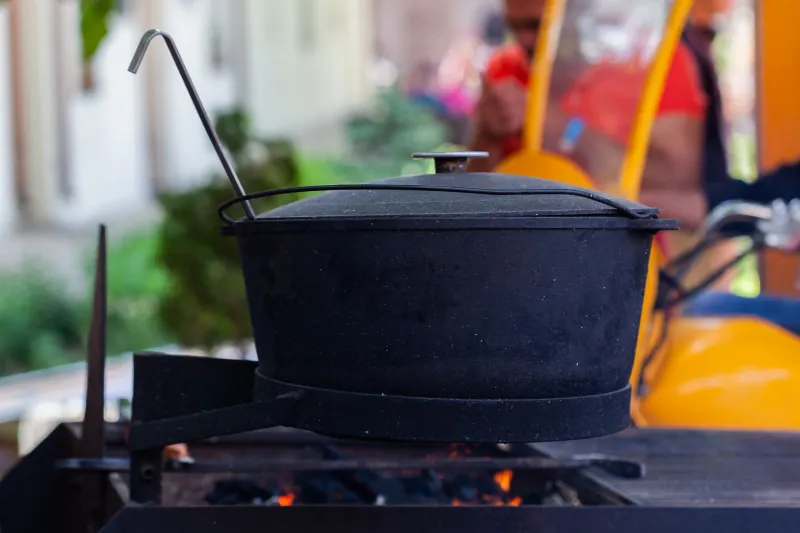
Photo by Photo by Aleksey Cherenkevich on Unsplash on Unsplash
Let's get one thing out of the way: you do not need land to grow Southern food. You need sun, soil, water, and something to put it all in. A five-gallon bucket works. A retired galvanized washtub works. A collection of mismatched planters you found at a yard sale absolutely works. The front porch, the apartment balcony, the fire escape — Southern gardens have always been scrappy, and that's part of what makes them great.
If you've been cooking Southern food but buying all your produce, there's real satisfaction in growing even a portion of it yourself. Fresh tomatoes off the vine taste nothing like the ones wrapped in plastic at the grocery store. Collard greens you grew yourself, simmered low and slow with a smoked ham hock — that's a different meal entirely. And the good news is, most of the vegetables and herbs that anchor Southern cooking are surprisingly well-suited to container growing.
Here's what to plant, how to plant it, and how to make the most of whatever space you've got.
Start With Sun: The Non-Negotiable Rule
Before you choose a single seed or seedling, figure out your sun situation. Most Southern vegetables are full-sun crops, meaning they want at least six to eight hours of direct sunlight per day. South-facing patios and porches are ideal. East-facing spots get good morning sun and work for herbs and greens. West-facing works for afternoon growers like tomatoes and peppers.
North-facing balconies are the toughest, but not hopeless. Leafy greens — collards, mustard greens, Swiss chard — can manage with four to five hours of light. They won't be as lush as garden-grown, but they'll produce.
Once you know your light, the rest of the planning gets a lot easier.
The Southern Five: What to Grow and How
Tomatoes
Tomatoes are the heart of summer in the South, and they're one of the most rewarding things you can grow in a container — as long as you give them room. A five-gallon pot is the minimum; a ten-gallon container is better. Look for compact or patio varieties if space is tight: Celebrity, Bush Early Girl, and Patio F are all solid performers. If you've got more space, Mortgage Lifter and Cherokee Purple are heirlooms worth the extra room — the flavor is extraordinary.
Tomatoes need consistent watering (inconsistent moisture causes blossom end rot), regular feeding with a balanced fertilizer, and something to stake or cage them against. They're needy, but they pay you back.
In the Deep South and Gulf Coast states, start seeds indoors in February and transplant after the last frost. In the Upper South and border states like Tennessee and Virginia, late March to April transplants are more typical.
Okra
Okra is one of the easiest Southern vegetables to grow and one of the most underrated for containers. It's a warm-season crop that loves heat — the hotter the better — and it grows fast once it gets going. A single plant in a three-gallon container will produce steadily through the summer. Cajun Jewel and Baby Bubba Hybrid are compact varieties bred for smaller spaces.
Direct sow seeds after soil temperatures hit 65°F, or about two weeks after your last frost date. Okra doesn't like being transplanted, so skip the seedling stage and start it right in its final container. Keep it watered and harvest the pods when they're two to four inches long — leave them any longer and they'll get tough and woody.
Collard Greens
Collards are practically indestructible, and they're one of the best cool-season crops for container gardeners. They thrive in spring and fall, tolerate light frost, and actually taste sweeter after a cold snap. In the Deep South, you can grow them through most of the winter.
Use a pot at least twelve inches deep and wide. One plant per container is plenty — collards get big. Vates and Georgia Southern are classic varieties that perform well in pots. Plant in late summer for a fall harvest, or early spring for a spring harvest. They need steady moisture and occasional feeding, but they're forgiving.
Peppers
Bell peppers and hot peppers both thrive in containers, and they're essential to Southern cooking from gumbo to chow-chow to hot sauce. They want the same conditions as tomatoes — full sun, warm temperatures, consistent watering — and they're actually more manageable in pots than in the ground because you can control the soil and drainage.
For mild peppers, try Jimmy Nardello or California Wonder. For heat, Cayenne, Jalapeño, and the Southern classic Tabasco pepper all do beautifully in containers. Hot peppers in particular tend to be compact plants that don't need much space.
Fresh Herbs: Basil, Thyme, and Green Onions
If you're starting small, start here. Fresh basil, thyme, and green onions are among the easiest things to grow, they're expensive to buy fresh at the store, and they make an immediate difference in Southern cooking.
Basil loves heat and sun — it's practically made for Southern summers. Plant it in a six-inch pot on a sunny windowsill or porch, pinch off the flower buds to keep it producing, and you'll have fresh basil for months. Thyme is even lower maintenance and handles dry spells better than basil. Green onions can be grown in almost any container, even a repurposed coffee can, and they're ready to harvest in about three weeks.
Soil and Drainage: Don't Skip This Part
The biggest mistake container gardeners make is using regular garden soil in pots. It compacts, drains poorly, and suffocates roots. Use a high-quality potting mix — not potting soil, which is different — and look for one formulated for vegetables. Adding a handful of compost to each container at planting time gives your plants a nutritional head start.
Drainage is equally important. Every container needs drainage holes. If you're using a decorative planter without holes, either drill some or use it as a sleeve around a plain nursery pot that does have them.
Scaling Up: From Windowsill to Full Porch Setup
If you're starting with a windowsill herb garden, that's a legitimate beginning. Master that, then add a tomato plant on the porch next season. Then maybe a container of collards in the fall. Southern container gardening scales beautifully because you're adding one pot at a time, learning what works in your specific light and climate, and building toward a setup that actually fits your life.
The goal isn't a Pinterest-perfect porch garden. The goal is fresh okra for your summer gumbo and collard greens you grew yourself for Sunday dinner. That's worth a few pots on the porch and a little dirt under your fingernails.